
In today’s fast-paced world, many of us spend our time caring for others while neglecting our own wellbeing. Yet true healing and personal growth begin when we learn to honor ourselves with compassion and intention.
Practices that nurture holistic wellness — including mindfulness, emotional healing, spiritual reflection, and body awareness — can help us reconnect with our inner balance and strength.
Devotion to ourselves is not selfish. It is a powerful act of self-respect that allows us to live more fully and show up more authentically in our lives.
When we cultivate devotion to our body, mind, emotions, and spirit, we create the foundation for deeper healing, resilience, and self-love.
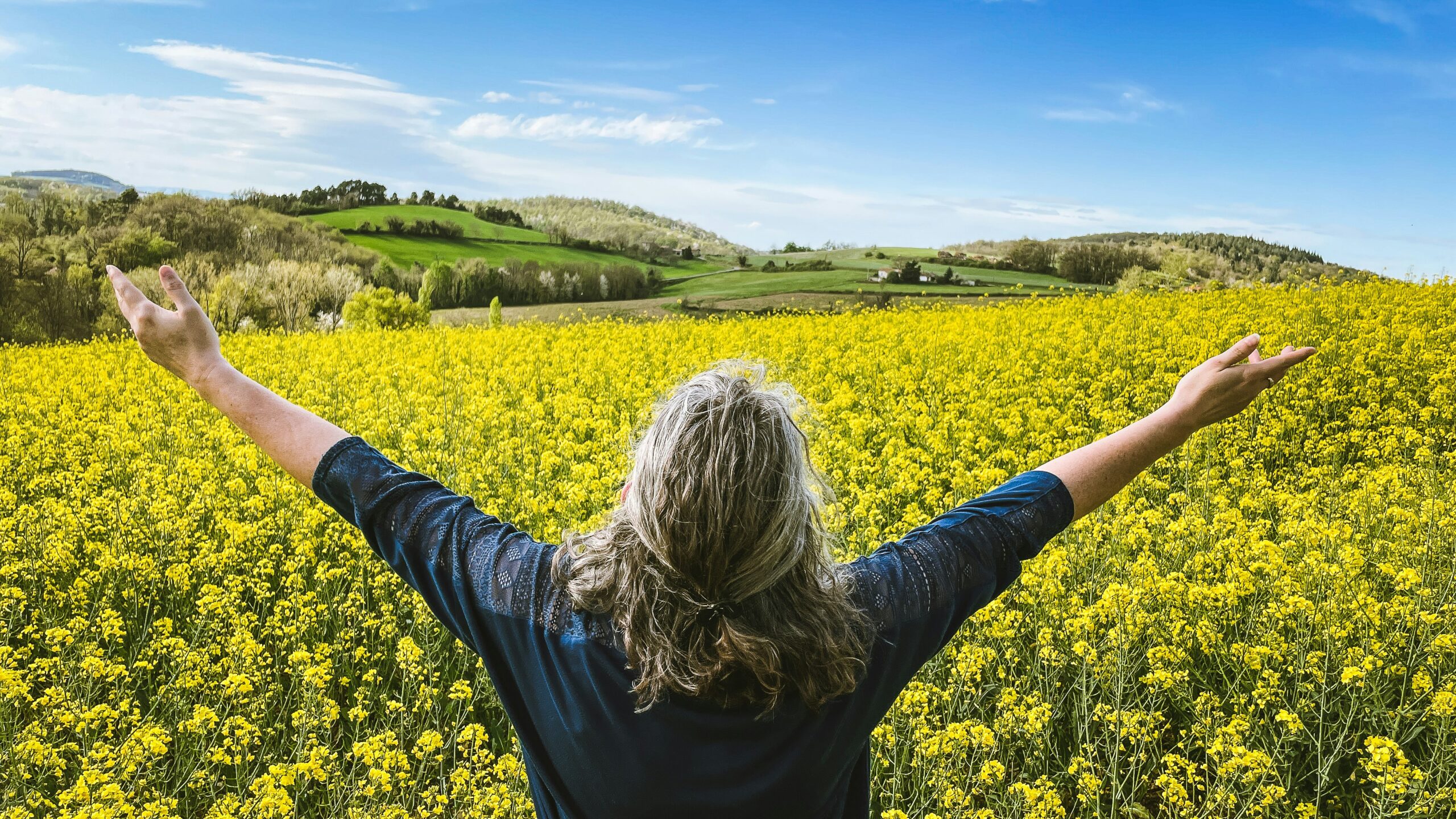
Spring has a beautiful way of reminding us that renewal is always possible.
As the earth awakens from winter’s quiet stillness, tiny buds begin to appear on branches, flowers slowly rise from the soil, and the air carries a subtle promise of new beginnings. Nature moves gently yet powerfully through cycles of rest, growth, and transformation.
Perhaps this is one of the greatest lessons nature offers us: growth does not require force — it requires devotion.
Devotion is often associated with religious practice or service to something outside ourselves. Yet one of the most important forms of devotion we can cultivate is devotion to our own wellbeing.
To live with devotion means honoring ourselves with care, compassion, and respect. It means recognizing that our body, mind, emotions, and spirit are not separate parts, but deeply connected aspects of who we are.
When we learn to nurture each of these dimensions of ourselves, we begin to live with greater balance, clarity, and peace.
Let us explore what devotion might look like in each area of our lives.
Devotion to the Body
Our body is the physical home of our life experience. It carries us through every moment, breath, and step of our journey.
Yet many of us have learned to treat our bodies with criticism rather than compassion. We judge its appearance, push through exhaustion, or ignore the signals it sends when something is out of balance.
Devotion to the body invites a different relationship — one built on respect and gratitude.
This might mean moving your body in ways that feel nourishing rather than punishing. It may be choosing rest when you are tired, breathing deeply when you feel overwhelmed, or simply pausing to appreciate all that your body allows you to experience.
The body speaks to us constantly through sensation and energy. When we begin to listen with kindness, we open the door to deeper healing.
Devotion to the Mind
Our thoughts shape the way we experience life.
The stories we tell ourselves about who we are, what we deserve, and what is possible can either expand our world or limit it.
Devotion to the mind means becoming aware of the inner dialogue that quietly runs beneath the surface of our daily lives.
Are your thoughts encouraging and supportive, or critical and harsh?
Many of us carry long-standing beliefs formed through past experiences. Some of these beliefs may no longer serve us.
When we practice devotion to the mind, we begin to gently question those narratives and replace them with more compassionate and empowering perspectives.
This does not mean ignoring life’s challenges. Instead, it means meeting them with curiosity, patience, and self-understanding.
Devotion to Our Emotional World
Our emotions are powerful messengers.
They reveal what matters to us, what needs attention, and where healing may be needed.
Yet emotions are often misunderstood. Many people learn to suppress or avoid difficult feelings such as sadness, anger, or fear.
Devotion to our emotional wellbeing invites us to do the opposite — to listen with openness and compassion.
When we allow ourselves to acknowledge our emotions without judgment, they begin to move through us rather than becoming trapped within us.
Practices such as journaling, mindfulness, tapping (EFT), or speaking with a trusted guide can help us process emotions in healthy ways.
Through emotional awareness, we cultivate greater self-acceptance and inner freedom.
Devotion to the Spirit
Beyond our physical, mental, and emotional experiences lies another dimension of our being — our spirit.
For some, spirituality may be expressed through prayer or meditation. For others, it may be found in nature, creativity, service, or quiet reflection.
Devotion to the spirit means nurturing the part of ourselves that seeks meaning, connection, and peace.
It may look like taking a few moments each day to sit in stillness. It may be a walk among trees, watching the sunrise, or expressing gratitude for the small blessings in life.
Spiritual devotion reconnects us with a sense of wholeness. It reminds us that we are part of something larger than ourselves.
Living a Life of Devotion
Devotion is not a single practice or ritual.
It is a way of living.
It is the quiet decision to treat yourself with kindness when you make a mistake.
It is honoring your need for rest.
It is choosing compassion over self-judgment.
When we cultivate devotion to our body, mind, emotions, and spirit, we begin to experience life with greater harmony. And from that place of inner balance, we naturally extend more compassion to others and to the world around us.
Devotion begins with a simple yet powerful choice: To care for yourself as deeply as you care for those you love.
Reflection Prompts for Personal Growth
Take a quiet moment to reflect on the following questions. Allow your answers to come with curiosity rather than judgment.
Devotion to the Body
What is one way I can show my body more kindness this week?
Devotion to the Mind
What thought or belief might be ready to soften or shift?
Devotion to the Emotional Self
What emotion have I been avoiding that may need gentle attention?
Devotion to the Spirit
What practice helps me feel most connected to my inner peace?
Even small moments of reflection can create meaningful change towards a beautiful life of devotion to ourselves. And you are so worth it!